What Should and Should Not Go in a Storage Unit
Renting a storage unit is one of those things that feels straightforward until you are standing in front of it with a truck full of stuff. Most items store just fine, but a few common mistakes can lead to damage, odors, or unnecessary hassle later.
Knowing what belongs in a storage unit and what does not helps protect your belongings and keeps the experience simple.
Using a clean, well-maintained facility like All American Self Storage helps keep stored belongings protected and easy to manage over time.
Items that store well in a storage unit
Storage units are designed for everyday belongings that need a safe, dry place to sit for a while. Most household and business items fall into this category, as long as they are clean and packed properly.
Items that typically store well include:
• Furniture like sofas, tables, bed frames, and dressers
• Boxes of clothing, shoes, and accessories
• Seasonal decorations and household items
• Business inventory, paperwork, and office equipment
• Tools, sports gear, and garage items
Furniture and boxed household goods are some of the most common items people store, especially during moves, downsizing, or renovations.
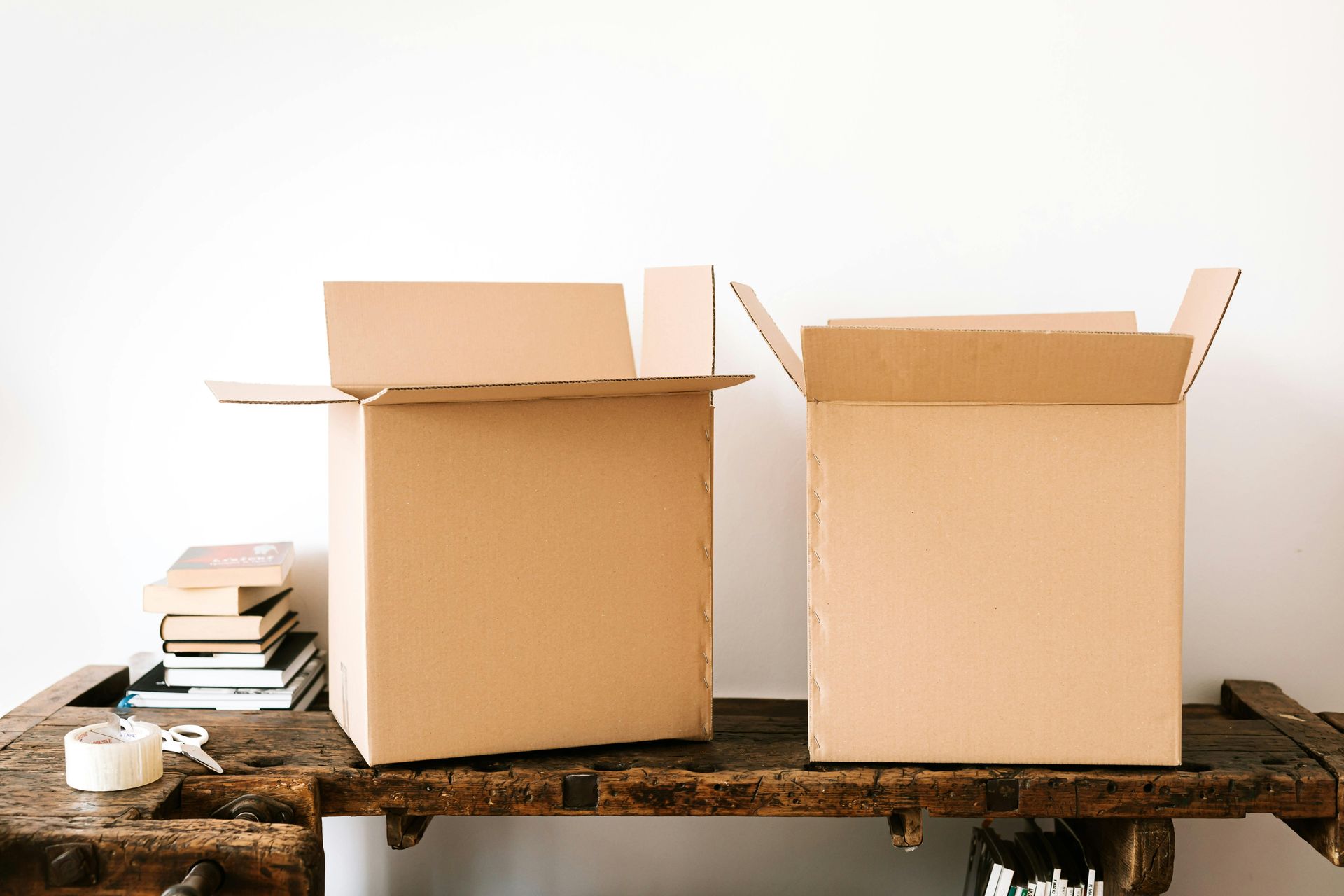
Proper packing makes a big difference. Cleaning items first, using sturdy boxes, and labeling clearly helps prevent issues when you come back months later.
If you are using storage to sort through belongings long term, this guide on what you should keep and toss from storage is a helpful companion read.
Items that need extra care before storing
Some belongings can be stored safely, but they need a bit more attention because they react to temperature, humidity, or long periods without use.
These items include:
• Wooden furniture
• Electronics and televisions
• Books, photos, and documents
• Mattresses and upholstered furniture
• Musical instruments
For these items, preparation matters. Make sure everything is clean and completely dry. Wrap furniture to protect surfaces. Use plastic bins or moisture absorbers for sensitive items. Elevating belongings slightly off the floor can also help protect against moisture over time.
Items you should never put in a storage unit
Not everything belongs in storage. Most facilities prohibit certain items for safety and sanitation reasons, and for good reason.
Items that should never be stored include:
• Food or pet food
• Perishable goods
• Live plants or animals
• Gasoline, propane, or fuel containers
• Fireworks, ammunition, or explosives
• Paints, chemicals, or hazardous materials
Food and flammable materials cause the most problems. Even sealed food can attract pests or leak over time. Hazardous materials create safety risks for everyone on the property.
Before moving items in, double check boxes and coolers for forgotten liquids or food.
Seasonal items are ideal for storage
One of the most practical uses for a storage unit is rotating seasonal belongings. Items that take up space at home but are only used part of the year store especially well.
Common seasonal items people store include:
• Winter clothing and boots
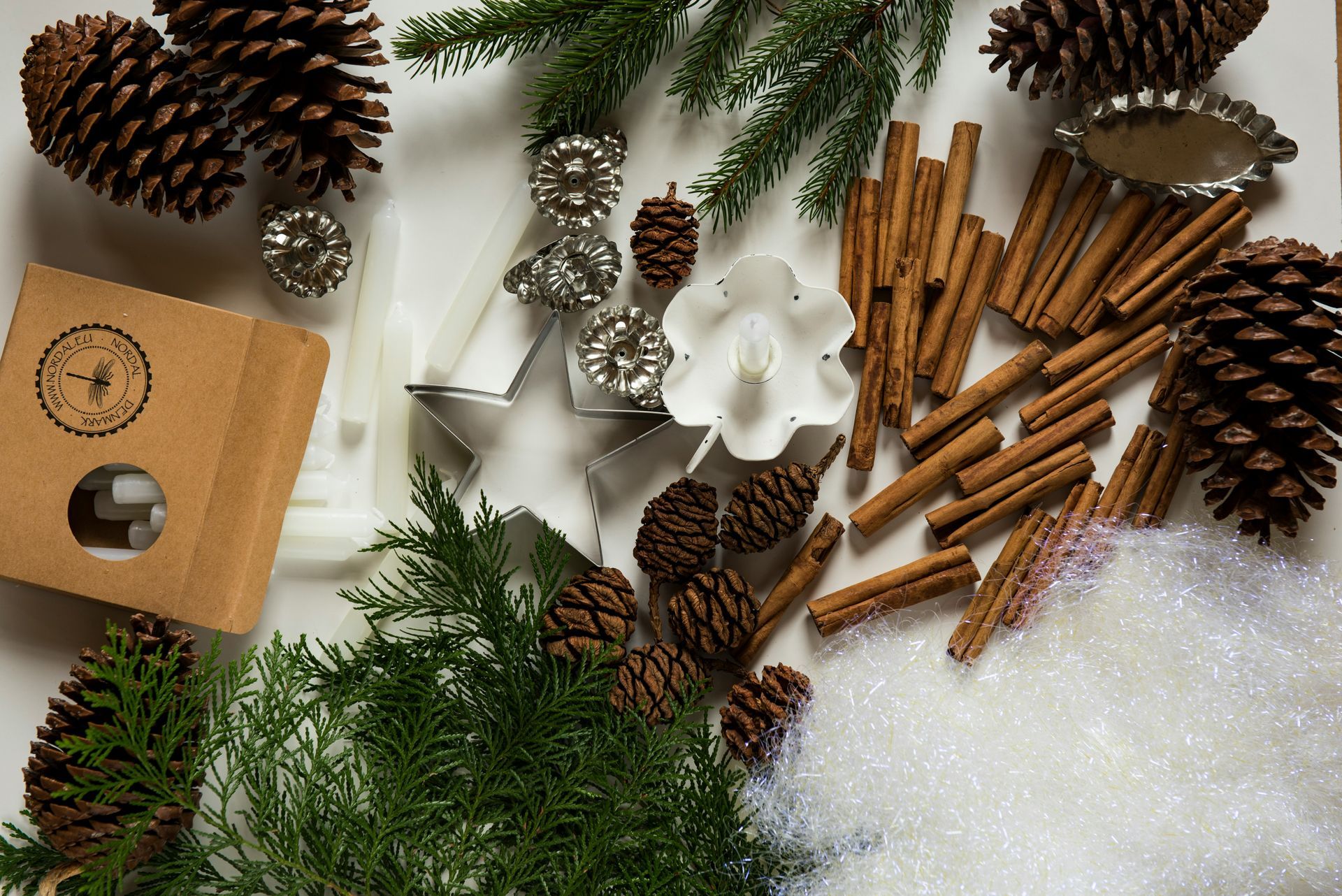
• Holiday decorations
• Heaters and seasonal appliances
• Snow gear and cold-weather equipment
Storing these items during the off season keeps closets and garages usable year-round. This article on winter items you can store in a storage unit during the summer goes into more detail on how seasonal storage can free up space at home.
Why food and liquids cause the biggest problems
Food and liquids are responsible for many storage issues. It often starts small. A bag of snacks. A case of bottled drinks. A cooler that was not fully dried.
Over time, these items can leak, spoil, or attract pests. Odors spread quickly in enclosed spaces, and damage can extend beyond a single box.
Before locking up your unit, check for:
• Open containers
• Liquids hidden in bins or coolers
• Cleaning products that could leak
• Trash bags mixed in with stored items
Catching these early prevents bigger problems later.
Common storage mistakes to avoid
Even with the right items, poor packing can cause issues.
Some common mistakes include:
• Using weak boxes that collapse
• Storing items directly on the floor
• Packing too tightly with no airflow
• Forgetting to label boxes
• Blocking access to the back of the unit
Leaving a small walkway inside the unit makes it easier to reach items and spot issues early. It also saves time when you need something later.
Final thoughts
A storage unit works best when it is used for the right items and packed with care. Most household and seasonal belongings store safely when kept clean, dry, and organized. Items involving food, fuel, or hazardous materials should always stay out of storage.
A little planning upfront keeps your belongings protected and makes storage a helpful solution instead of a source of stress.